Get Irrigation System Winterization
Irrigation system winterization services help property owners protect sprinklers and pipes from freeze damage by draining, insulating, and preparing systems for cold weather.
Property owners in the area who rely on irrigation systems understand the importance of proper winter preparation to protect their investments. During colder months, outdoor plumbing and sprinkler components are vulnerable to damage from freezing temperatures, which can lead to costly repairs or system failures come spring. Ensuring your irrigation system is correctly winterized can help maintain its functionality and extend its lifespan, making it a practical step for those looking to preserve their landscape and avoid seasonal disruptions.
For those planning to manage their irrigation needs efficiently, exploring options offered by local contractors can provide valuable insights. Many experienced service providers specialize in winterization services, offering tailored solutions that suit the specific requirements of properties in the area. Continuing to read can help property owners compare local options and find trusted professionals capable of handling winterization projects effectively.
- Irrigation system winterization - needed when preparing sprinkler systems for freezing temperatures to prevent damage.
- Backflow prevention - required during winterization to protect against potential freezing and bursting.
- Drainage and blowout services - essential when clearing water from pipes to avoid freezing and cracking.
- Valve and pipe insulation - necessary to protect components from cold weather damage during winter months.
- System shutdown and startup - performed by local contractors to ensure proper winterization and spring activation.
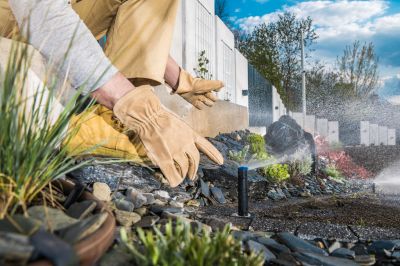
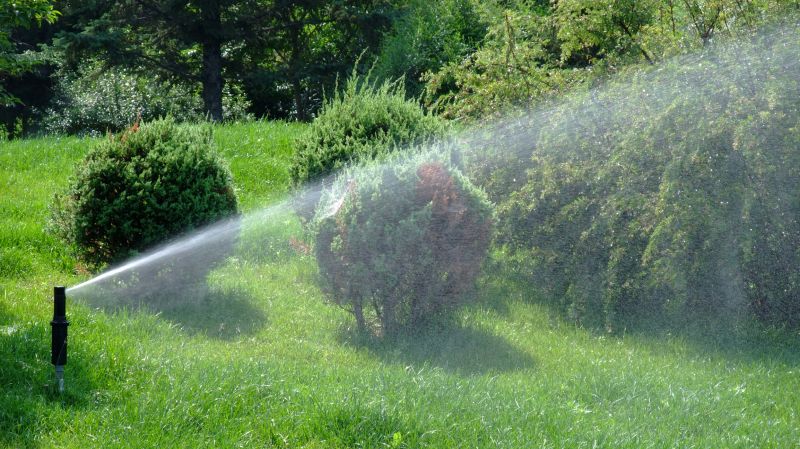
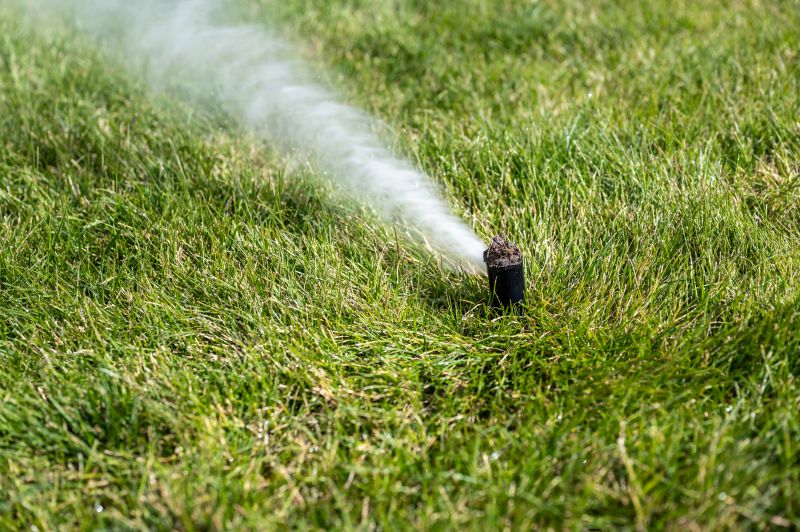
Irrigation system winterization services involve preparing an sprinkler or irrigation system for the colder months to prevent damage caused by freezing temperatures. This process typically includes draining or blowing out the system to remove any remaining water that could freeze and expand, which might lead to cracked pipes, broken valves, or damaged sprinkler heads. Some service providers also disconnect and store components that are vulnerable to the cold, ensuring the entire system is protected until spring. Proper winterization helps maintain the longevity and functionality of an irrigation system, reducing the risk of costly repairs when warmer weather returns.
One of the primary problems winterization helps to avoid is the formation of ice within the irrigation pipes and components. When water freezes, it expands, which can cause pipes to crack or burst, leading to leaks and system failures. Additionally, frozen water can damage valves, sprinkler heads, and other parts, resulting in the need for extensive repairs or replacements. By having a professional winterize the system, property owners can prevent these issues, ensuring that the irrigation system remains intact and operational for many seasons to come.
Irrigation winterization services are commonly used on residential properties, including lawns, gardens, and landscaped yards, where sprinkler systems are installed for irrigation. They are also valuable for commercial properties, golf courses, parks, and other large outdoor spaces that rely on automated watering systems. These services are especially important in regions with cold winters, where freezing temperatures are a regular concern. Homeowners and property managers who want to protect their investment in irrigation infrastructure often seek out local contractors for professional winterization, ensuring their systems are properly prepared for the off-season.
Homeowners who notice their irrigation system is not functioning properly in the fall, or who want to avoid potential damage, may consider scheduling winterization services. Signs that winterization is needed include the system’s age, recent freezing weather, or if the system was not drained or blown out at the end of the previous season. Property types that typically use this service include single-family homes, multi-unit residential complexes, commercial properties, and recreational areas. Connecting with local service providers can help find experienced contractors who can assess the system’s needs and provide the appropriate winterization to protect it throughout the winter months.
The overview below groups typical Irrigation System Winterization projects into broad ranges so you can see how smaller, mid-sized, and larger jobs often compare in your area.
In many markets, a large share of routine jobs stays in the lower and middle ranges, while only a smaller percentage of projects moves into the highest bands when the work is more complex or site conditions are harder than average.
Basic Winterization - Many local pros charge between $250 and $600 for routine irrigation system winterization, which includes draining and insulating components. Most smaller, straightforward jobs fall within this range, making it a common choice for homeowners. Larger or more complex systems may cost more, depending on the scope of work.
Mid-Range Services - Projects that involve additional system checks, minor repairs, or more extensive drainage typically fall between $600 and $1,200. These jobs are common for seasonal winterization when systems have moderate complexity or additional features requiring attention.
Full System Winterization - Complete winterization services for larger or more intricate irrigation setups can range from $1,200 to $2,500. Many local contractors handle these projects regularly, though fewer jobs reach the higher end of this spectrum due to system size or complexity.
Full Replacement and Major Repairs - Larger, more involved projects, such as replacing valves or installing new piping for winterization, can exceed $2,500 and may reach $5,000+ for very complex systems. These are less common but are necessary for extensive upgrades or system overhauls before winter.
Actual totals will depend on details like access to the work area, the scope of the project, and the materials selected, so use these as general starting points rather than exact figures.
Sprinkler System Maintenance - technicians who perform seasonal shutdowns and start-ups often have skills similar to those needed for irrigation winterization, ensuring systems are properly prepared for off-season months.
Backflow Prevention Services - professionals who install and test backflow preventers are familiar with irrigation system components and the planning involved in winterizing outdoor watering setups.
Drainage System Installation - contractors who design and install drainage solutions understand soil and water management, which complements winterization tasks to protect irrigation infrastructure.
Landscape Irrigation Design - designers who plan irrigation layouts are knowledgeable about system components and can assist with winterization to prevent damage during colder months.
Water Pump Services - providers who install and maintain water pumps have experience with the plumbing and mechanical systems involved in irrigation setups, aiding in winter preparation.
Seasonal System Inspection - specialists who conduct comprehensive inspections before and after the season can identify potential issues and perform winterization to ensure system longevity.
When comparing contractors for irrigation system winterization, it’s important to consider their experience with similar projects. Homeowners should look for service providers who have a proven track record of handling irrigation system shutdowns and winterization in climates and setups comparable to their own. An experienced contractor will be familiar with the specific equipment and potential challenges, helping to ensure the system is properly prepared to withstand cold weather. Asking for details about past work or checking references can provide insight into a contractor’s familiarity with winterization tasks and their ability to deliver quality results.
Clear written expectations are a key factor in choosing the right service provider. Homeowners should seek contractors who provide detailed descriptions of what their winterization services include, such as draining lines, blowing out the system, and protecting valves. Having a written outline helps prevent misunderstandings and ensures that both parties agree on the scope of work. It’s also beneficial to clarify any warranties or guarantees related to the service, so expectations are transparent from the start.
Reputable references and good communication are essential when selecting local contractors for irrigation winterization. Homeowners can ask potential service providers for references from previous clients, especially those who had similar systems or winterization needs. Listening to feedback about reliability, professionalism, and responsiveness can help gauge the contractor’s reputation. Additionally, clear and prompt communication during the inquiry process indicates a contractor’s willingness to address questions and provide guidance, which can contribute to a smoother, more confident experience when entrusting someone with an important seasonal service.
Property owners use Irrigation System Winterization services for practical projects around their homes and businesses. This guide focuses on everyday jobs and straightforward project options.
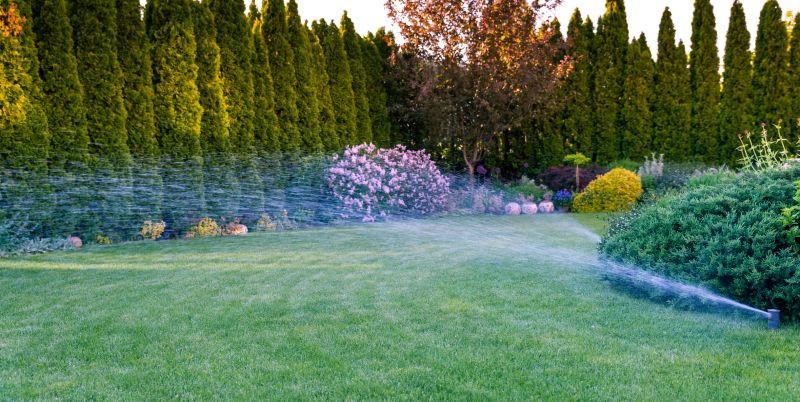
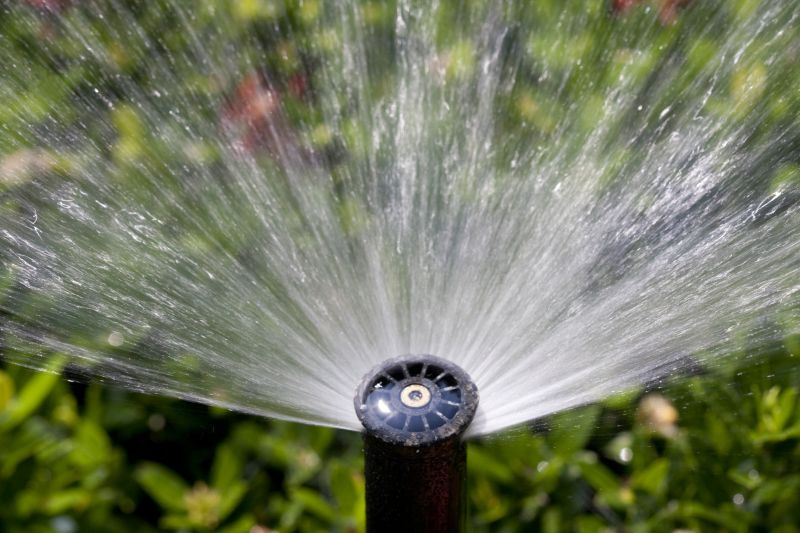
As temperatures drop, property owners in the area often seek irrigation system winterization services to protect their sprinklers and pipes from freezing damage. Homeowners with underground irrigation systems may notice issues like water leaks or system malfunctions after harsh winter weather. Local contractors who specialize in irrigation services can help ensure systems are properly drained and protected, preventing costly repairs come springtime.
Many property owners look for winterization services to avoid the inconvenience and expense of repairing burst pipes or damaged sprinkler components. Whether preparing for a seasonal freeze or maintaining the longevity of their irrigation investment, residents often turn to nearby service providers who have experience in winterizing irrigation systems. Connecting with local pros can help ensure that systems are properly prepared for the colder months, reducing the risk of winter-related issues.
Why is winterizing my irrigation system important? Winterizing helps prevent damage from freezing temperatures, which can cause pipes and components to crack or burst if not properly prepared.
What steps are involved in irrigation system winterization? Typically, local contractors will drain or blow out the system, disconnect hoses, and protect valves to ensure it is ready for winter.
When should I schedule irrigation system winterization? It's recommended to have the service performed before the first freeze to protect the system during cold weather.
Can I winterize my irrigation system myself? While some homeowners may attempt DIY winterization, many prefer to contact local service providers for professional expertise and thoroughness.
How do I find local contractors who provide irrigation winterization services? Use a lead generation platform to compare and connect with experienced local service providers in your area.
Prepare irrigation systems for winter by having local contractors drain and shut down sprinklers to prevent damage from freezing temperatures.
Protect outdoor plumbing by ensuring hoses and exposed pipes are properly disconnected and insulated before cold weather arrives.
Schedule an inspection of sprinkler components to identify any potential issues that could worsen during the winter months.
Implement a comprehensive winterization plan with local service providers to safeguard the irrigation system and avoid costly repairs in spring.
If you are thinking about Irrigation System Winterization for a property, this guide is meant to help you understand the work, the typical project types, and how different options might fit your plans.
When you are ready, you can use the quote form on this page to share a few details about your project. From there, local pros can review the basics and respond with options that match what you have in mind.